Fresh Updates Fruit Fly Subscriptions, Green Bottle Fly Larvae, Florida Otiosis Spiders and More
Updated: 4 days ago
Keeping feeders on hand should feel simple, not like a weekly scramble. This round of updates is all about steadier supply, more useful feeder options, and a few exciting new animals joining the lineup.
We have been putting extra attention into the feeder side of the business, while also expanding the spider offerings with species that bring something fresh to the collection room. Here is what is new, what is available now, and why these updates should make care routines a little easier.

Fruit fly subscriptions make feeding more predictable
Fruit flies are one of those feeders that are easy to underestimate until a culture crashes, dries out, or gets used faster than expected. For keepers with dart frogs, small mantises, jumping spiders, spiderlings, tiny geckos, and other small insectivores, a steady fruit fly supply can make a big difference.
That is the main reason we are highlighting fruit fly subscriptions. Instead of remembering to reorder at the last minute, customers can set up a regular supply that fits their collection and feeding schedule.
The biggest benefits are simple:
Less guesswork Fresh cultures arrive on a steady schedule, which helps reduce gaps between usable cultures.
Better planning Regular shipments make it easier to match feeders to the animals that rely on them.
Reduced last-minute stress No one wants to realize they are low on flies right before a feeding day.
Useful for growing collections A subscription can help keep pace as spiderlings grow, froglets start eating more, or new enclosures get added.
Fruit fly cultures are especially helpful because they work for a wide range of small animals. They are also easy to portion out as needed, which helps avoid overfeeding tiny species or flooding an enclosure with too many insects at once.
For customers who keep multiple small feeders or predators, subscriptions can act like a safety net. They do not replace good culture management at home, but they do help take pressure off the weekly routine.

Green bottle fly larvae are now available
Green bottle fly larvae are also available for sale, adding another useful option to the feeder lineup. These larvae are popular with keepers who need variety and movement in their feeding rotation.
They can be especially useful for animals that respond well to active prey. Larvae offer a different size, texture, and feeding response compared with standard feeders like fruit flies or mealworms. For some keepers, they are a practical way to break up a routine and add more variety across the week.
As with any feeder, the best match depends on the animal’s size and feeding needs. Smaller animals may need appropriately sized portions, while larger juveniles or adults may accept them more readily. The goal is always to offer feeders that are properly sized, fresh, and easy for the animal to handle.
Green bottle fly larvae also fit well into the broader push we have been making on the feeder side of the business. More feeder options mean customers can build a rotation instead of relying on one source all the time. That variety can help with picky eaters, seasonal changes in appetite, and collections with animals at different life stages.

The feeder side is growing in the right direction
The feeder side of the business has been getting extra attention lately, and that will continue. Reliable feeders are the foundation of successful animal keeping, especially for customers working with small invertebrates, amphibians, reptiles, and delicate juveniles.
Our focus has been on practical availability. That means paying attention to the feeders customers ask for most often, keeping commonly needed options moving, and adding items that fill real gaps.
Right now, that includes:
Fruit fly cultures and subscription options
Green bottle fly larvae
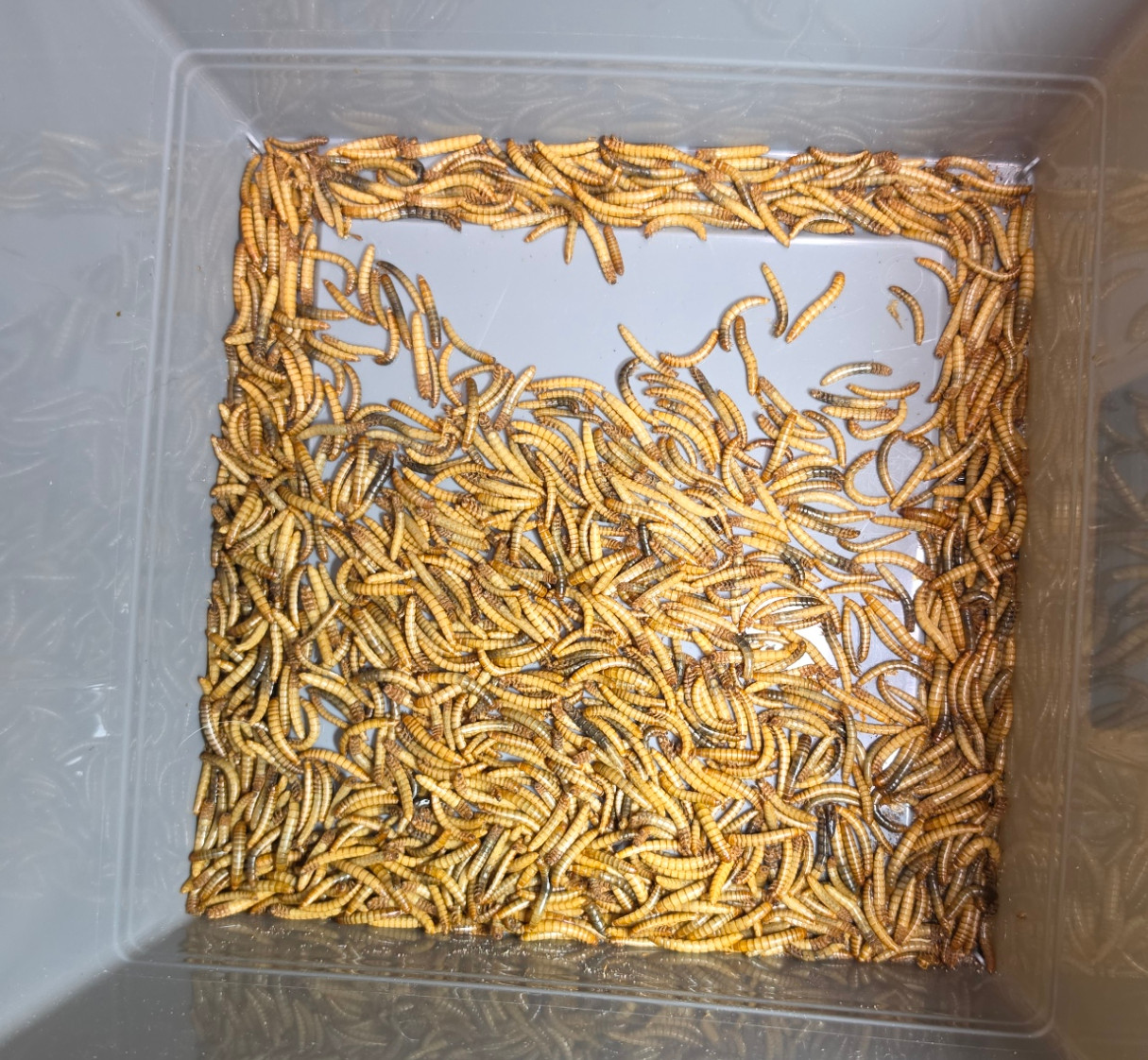
Mealworms
Peanut beetle larvae
Each feeder has a different place in a collection. Fruit flies are ideal for tiny mouths. Mealworms are a familiar staple for many reptiles and invertebrates. Peanut beetle larvae are useful for very small predators and young animals that need tiny prey. Green bottle fly larvae add another option for keepers looking to vary texture and movement.
This kind of variety is useful because collections are rarely one-size-fits-all. A single keeper might need fruit flies for spiderlings, mealworms for a larger invertebrate, and peanut beetle larvae for small juveniles. Expanding the feeder side helps make those mixed needs easier to cover in one place.
New spider species are joining the lineup
The animal side has some exciting news too. New spider species are being introduced, with special attention on the Florida Otiosis spiders, also known in the hobby as canopy spiders.
These spiders stand out because they bring a different presence than many of the more familiar species. The canopy spider name points to the kind of vertical, cover-rich setup many keepers enjoy building. For people who like naturalistic enclosures, cork bark, angled branches, leaf cover, and elevated hiding spots, this type of spider can be especially rewarding to observe.
Florida Otiosis spiders are a great example of why variety matters in the hobby. Some species appeal because of bold color. Others because of behavior, webbing style, hunting habits, or the way they use space. Canopy spiders draw interest because they encourage a different style of enclosure and observation.
As always, new species should be researched before purchase. Keepers should be ready to match enclosure size, ventilation, humidity range, hides, and feeder size to the animal’s needs. A well-set setup makes the spider easier to observe and helps reduce avoidable stress.
The addition of these spiders is part of a broader effort to offer animals that are interesting, healthy, and well-suited to dedicated keepers. More variety also gives customers room to explore beyond the species they already know.

Mealworms and peanut beetle larvae are coming soon
Along with the newer feeder additions, mealworms and peanut beetle larvae are also on the way. These two options cover very different needs, which makes them useful to keep on hand.
Mealworms are a practical feeder for many animals that can handle a larger prey item. They are easy to portion, familiar to most keepers, and useful as part of a varied diet.
Peanut beetle larvae serve a different role. Their smaller size makes them useful for tiny predators, young spiders, small invertebrates, and animals that need feeders smaller than standard mealworms. They can be especially handy when fruit flies are not the right fit or when a keeper wants to rotate feeder types.
Having both available gives customers more flexibility. Instead of trying to make one feeder work for every animal, it becomes easier to choose based on size, behavior, and feeding response.

What these updates mean going forward
The goal behind these updates is simple: make it easier to keep animals fed, healthy, and interesting to work with. Fruit fly subscriptions help create a steady rhythm. Green bottle fly larvae add another useful live feeder. Mealworms and peanut beetle larvae keep staple options available. New spiders, especially Florida Otiosis canopy spiders, bring fresh excitement to the animal side.
The business will keep building around the same idea. Better feeder availability, more thoughtful species selection, and practical options that help customers care for their animals with confidence.
If your collection relies on small feeders, now is a good time to plan ahead. If you are looking for something new to observe, keep an eye on the latest spider additions. There is plenty happening, and these updates are just the start.


Comments